
The IRS continues releasing new tax guidance that may impact businesses across the United States. From long-term contract reporting to international tax rules and corporate compliance updates, companies need to understand how these changes could affect their tax planning. Learn what business owners should know to stay compliant and prepare for future IRS requirements.

-
IRS Issues New Tax Guidance for Businesses: What Companies Need to Know in 2026

CLICK HERE TO READ THE FULL ARTICLE »
-
IRS Releases New AI Guidance for Tax Professionals: What CPAs and Accounting Firms Need to Know in 2026

The IRS is providing new guidance on the responsible use of artificial intelligence in tax practices. As more accounting firms adopt AI tools, tax professionals must understand how these technologies impact client data protection, documentation, accuracy, and professional responsibilities. Learn what CPAs and tax firms need to know about using AI while staying compliant with IRS expectations.
CLICK HERE TO READ THE FULL ARTICLE »
-
IRS Launches New Online Features for Trump Accounts: What Families and Tax Advisors Need to Know in 2026

The IRS has introduced new online account features that allow eligible taxpayers to view and submit Trump Account elections. These updates may change how families manage future savings decisions and create new tax planning opportunities. Learn what taxpayers and advisors need to know about Trump Accounts, IRS digital tools, and financial planning considerations in 2026.
CLICK HERE TO READ THE FULL ARTICLE »
-
2026 Tax Credits You May Be Missing: New IRS Tax Breaks That Could Save You Money

Discover the new 2026 tax credits and IRS tax breaks that could help taxpayers save money. From worker benefits and family credits to business incentives and new deductions, learn which tax benefits you may qualify for before filing your return. Many taxpayers miss valuable savings simply because they are unaware of recent tax law changes.
CLICK HERE TO READ THE FULL ARTICLE »
-
IRS Expands Anti-Fraud Partnership to Stop Tax Identity Theft & Refund Fraud (2026 Update)

The IRS has expanded its Security Summit partnership to better protect taxpayers from identity theft and refund fraud. This new initiative improves how the IRS, banks, and tax software companies share information, detect suspicious activity, and verify taxpayer identities. Learn what’s changing and how these updates may affect your tax filing process and refund security in 2026.
CLICK HERE TO READ THE FULL ARTICLE »
-
June Estimated Tax Deadline Passed: What It Means for Self-Employed & Business Owners

The June 15 estimated tax deadline has passed, and many self-employed individuals, investors, and business owners must now review their tax situation. Learn what estimated tax payments mean, what happens if you missed the deadline, and the steps you can take to avoid IRS penalties and stay on track for the rest of the year.
CLICK HERE TO READ THE FULL ARTICLE »
-
IRS 2026 Tax Changes Explained: New Inflation Adjustments, Higher Deductions & Income Limits Made Simple

IRS 2026 tax inflation adjustments bring important updates to deductions, income limits, retirement savings, and gift tax rules. Learn in simple terms how these changes may affect your taxes, savings, and financial planning this year.
CLICK HERE TO READ THE FULL ARTICLE »
-
COVID-Era IRS Penalty Refund Claims: What to Expect If You File in 2026
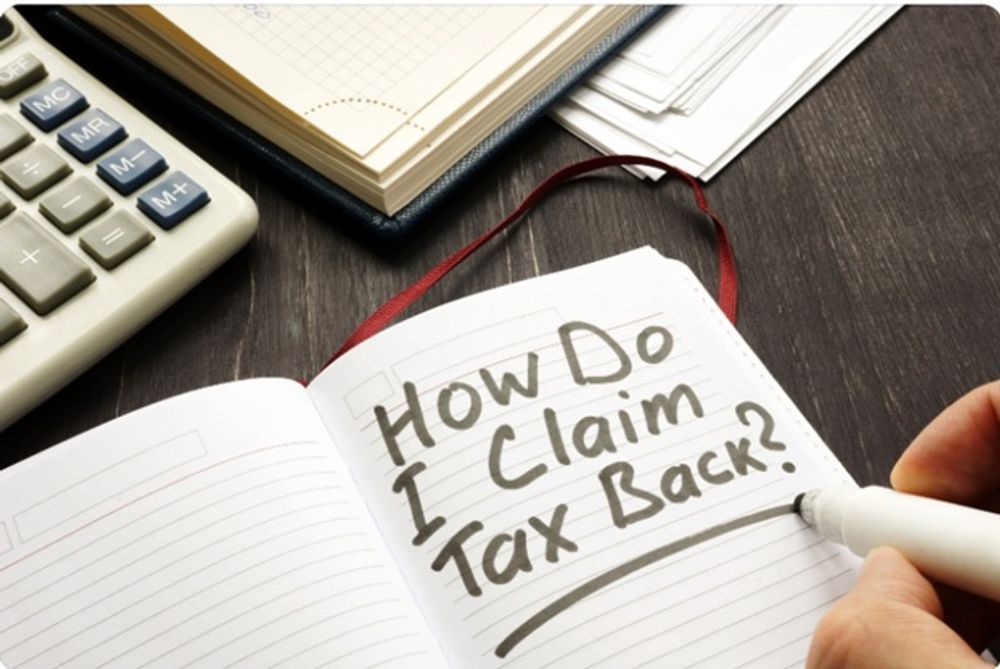
Taxpayers filing COVID-era IRS penalty refund claims may still have time to recover money from 2020–2022 tax years. Learn what to expect during the process, possible timelines, and why CPA guidance matters before the 2026 deadline.
CLICK HERE TO READ THE FULL ARTICLE »
-
$1M Capital Gains Exclusion for Seniors: What to Expect If the New Tax Proposal Passes

A new proposal could let seniors exclude up to $1 million in capital gains from home sales. Learn what to expect if the Nest Egg Protection Act becomes law, including how it may affect retirement plans, home sales, and taxes.
CLICK HERE TO READ THE FULL ARTICLE »
-
Massive Tax Relief Continues From New Federal Tax Law: What It Means for Americans in 2026

A new federal tax law is delivering widespread tax relief, with most Americans seeing lower taxes, bigger refunds, and new deductions. Learn how these changes affect workers, families, and seniors in 2026.
CLICK HERE TO READ THE FULL ARTICLE »
-
Billions in Tariff Refunds at Stake After Supreme Court Ruling

Businesses across the United States are fighting over billions in possible tariff refunds after courts ruled many Trump-era tariffs unlawful. The growing legal battle could impact importers, consumers, trade policy, and the future of U.S. tariffs.
CLICK HERE TO READ THE FULL ARTICLE »
-
Scott Bessent Testifies on Tax Policy, Tariffs, and U.S. Economy

Treasury Secretary Scott Bessent faced tough questions from Congress about IRS audits, tariffs, future tax policy, and the growing national deficit. The hearing could shape upcoming tax law changes that may affect businesses, workers, and taxpayers across the United States.
CLICK HERE TO READ THE FULL ARTICLE »
-
Major Tax Policy Debate Ahead of 2026 Elections: Capital Gains, Deductions & Tax Changes Explained

Lawmakers are debating major tax policy changes ahead of the 2026 elections, including capital gains, deductions, estate rules, and health tax credits. Learn what could change and how taxpayers can prepare now.
CLICK HERE TO READ THE FULL ARTICLE »
-
Wealthy Americans Urged to Act Before Tax Rules Change: Roth, Estate & Capital Gains Strategies

Financial experts are warning that current tax rates and deductions may not last. Learn how Roth conversions, estate planning, and capital gains strategies can help wealthy Americans prepare before tax rules change.
CLICK HERE TO READ THE FULL ARTICLE »
-
COVID-Era IRS Penalty Refund Claims Still Open — What You Should Do Next

CPA insights on COVID-era IRS penalty refund claims from 2020–2022 explain who may qualify, common mistakes to avoid, and what steps taxpayers should take before the July 10, 2026 deadline.
CLICK HERE TO READ THE FULL ARTICLE »
-
IRS Using AI to Detect Tax Fraud in 2026: What Triggers Audits and How to Avoid Issues

The IRS is now using artificial intelligence to detect tax fraud faster, including issues with cryptocurrency, high deductions, and identity theft. Learn what triggers IRS flags and how to avoid tax problems in 2026.
CLICK HERE TO READ THE FULL ARTICLE »
-
What Happens to Charity Carryover After 5 Years? CPA Explains IRS Rules

Charity carryovers can help lower your taxes, but they do not last forever. Learn what happens after 5 years, when unused deductions expire, and how CPAs help taxpayers avoid losing valuable charitable tax benefits under IRS rules.
CLICK HERE TO READ THE FULL ARTICLE »
-
IRS Warns Americans About Fake “Tariff Dividend” Stimulus Scams in 2026

The IRS is warning Americans about fake “Tariff Dividend” payments and stimulus check scams spreading online. Learn how these scams work, why they are dangerous, and how taxpayers can protect their personal and financial information in 2026.
CLICK HERE TO READ THE FULL ARTICLE »
-
IRS Penalties From COVID Years May Be Refundable: Claim Your Money Before July 2026

Taxpayers who paid IRS penalties or underpayment interest during the COVID years may now qualify for refunds under the Kwong v. United States ruling. Learn who may qualify and why the July 10, 2026 deadline is important.
CLICK HERE TO READ THE FULL ARTICLE »
-
IRS May Add Citizenship Question to Tax Forms in 2026 — What Taxpayers Need to Know

The IRS is reportedly considering adding a citizenship question to future tax forms. Learn how the proposal could affect taxpayers, privacy, refunds, and tax filing in 2026.
CLICK HERE TO READ THE FULL ARTICLE »


