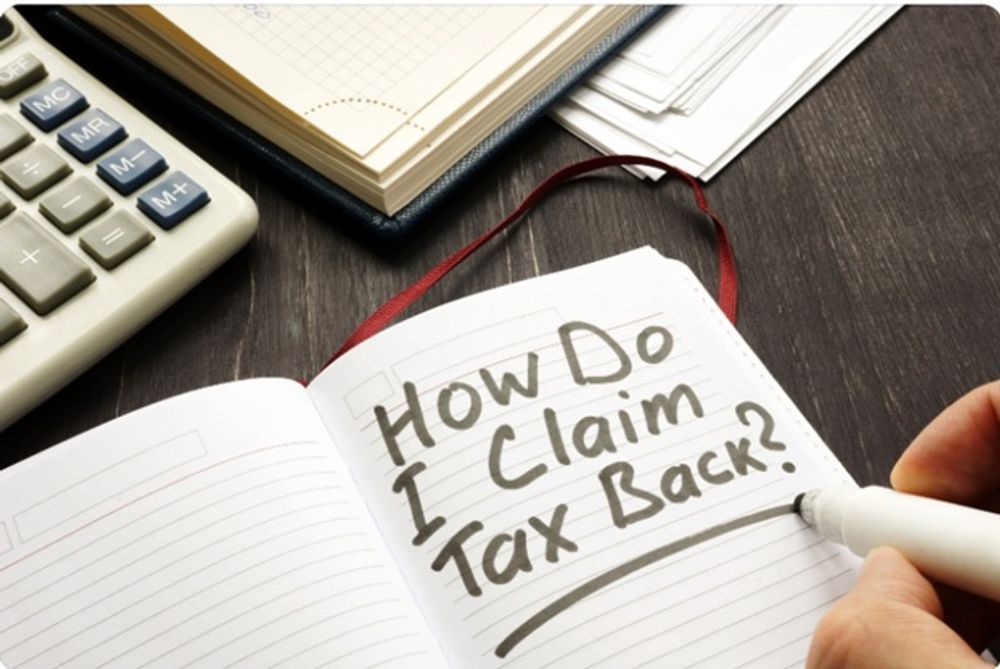
Taxpayers filing COVID-era IRS penalty refund claims may still have time to recover money from 2020–2022 tax years. Learn what to expect during the process, possible timelines, and why CPA guidance matters before the 2026 deadline.

-
COVID-Era IRS Penalty Refund Claims: What to Expect If You File in 2026
CLICK HERE TO READ THE FULL ARTICLE »
-
Billions in Tariff Refunds at Stake After Supreme Court Ruling

Businesses across the United States are fighting over billions in possible tariff refunds after courts ruled many Trump-era tariffs unlawful. The growing legal battle could impact importers, consumers, trade policy, and the future of U.S. tariffs.
CLICK HERE TO READ THE FULL ARTICLE »
-
Wealthy Americans Urged to Act Before Tax Rules Change: Roth, Estate & Capital Gains Strategies

Financial experts are warning that current tax rates and deductions may not last. Learn how Roth conversions, estate planning, and capital gains strategies can help wealthy Americans prepare before tax rules change.
CLICK HERE TO READ THE FULL ARTICLE »
-
IRS Using AI to Detect Tax Fraud in 2026: What Triggers Audits and How to Avoid Issues

The IRS is now using artificial intelligence to detect tax fraud faster, including issues with cryptocurrency, high deductions, and identity theft. Learn what triggers IRS flags and how to avoid tax problems in 2026.
CLICK HERE TO READ THE FULL ARTICLE »
-
IRS Releases Major 2026 Tax Changes

The IRS is continuing to release new guidance on the One Big Beautiful Bill Act, one of the largest tax packages in recent years. The new law includes bigger tax deductions, expanded family tax credits, business tax breaks, and the upcoming Trump Accounts for children starting in 2026. Here’s what families, business owners, and taxpayers need to know about these important IRS updates and how they could impact tax savings moving forward.
CLICK HERE TO READ THE FULL ARTICLE »
-
IRS Settlement Controversy Explained: What It Means for Tax Audits, Enforcement, and Fairness in 2026

A controversial IRS settlement is raising new questions about tax enforcement, audit fairness, and government authority in the United States. This article explains why the debate matters, how it could affect future IRS audits, and what taxpayers should watch moving forward.
CLICK HERE TO READ THE FULL ARTICLE »
-
Tax Protest Movement in 2026: What Happens If You Don’t Pay Taxes?

Some Americans are refusing to pay taxes as a form of protest, but this decision can lead to serious penalties, IRS audits, and even legal trouble. Learn why this growing trend is risky and not a safe financial strategy.
CLICK HERE TO READ THE FULL ARTICLE »
-
Federal & North Carolina Tax Changes 2026: What Every Taxpayer Needs to Know

Big tax changes are coming in 2026! Federal and North Carolina laws are updating deductions, credits, and retirement contribution limits. Learn what these changes mean for you and how to prepare to save money and avoid surprises.
CLICK HERE TO READ THE FULL ARTICLE »
-
State Tax Updates 2026: Indiana Tax Amnesty & New State Tax Laws Explained

State tax updates in 2026 are giving taxpayers new opportunities to save money. Indiana is planning a tax amnesty program that may help people pay old taxes without penalties, while states like Washington, D.C., New Mexico, and Virginia are updating tax laws to match new federal rules. These changes could make tax filing easier and help families and businesses keep more of their money.
CLICK HERE TO READ THE FULL ARTICLE »
-
Trump Tariffs 2026: How New Tariffs May Affect Prices and Taxes

New U.S. tariff changes in 2026 could affect prices, taxes, and jobs. After a Supreme Court ruling on emergency tariffs, the government added a new 10% tariff to help fund tax cuts. Learn what this means for your money, your budget, and the U.S. economy.
CLICK HERE TO READ THE FULL ARTICLE »
-
State Tax Breaks for Everyday Expenses in 2026 (and How to Claim Them)

Struggling with rising costs? In 2026, several states are offering tax breaks on groceries and everyday essentials. Learn which items qualify, who can claim them, and simple ways to save money on daily expenses.
CLICK HERE TO READ THE FULL ARTICLE »
-
IRS Tax Refunds Could Be Delayed in 2026: How a Government Shutdown Affects Your Refunds

Millions of Americans could see delays in their IRS tax refunds if a government shutdown occurs in 2026. Learn how a shutdown could impact your refund, what you can do to prepare, and tips to file early and avoid surprises this tax season.
CLICK HERE TO READ THE FULL ARTICLE »
-
2026 Tax Refunds Soar: Get $1,000 More This Year

The 2026 tax season could bring historic refunds for many Americans. Thanks to the One Big Beautiful Bill Act and unchanged withholding, average refunds are expected to rise by $1,000. Families, seniors, and workers with tips or overtime may see the biggest gains. Planning your deductions, credits, and withholding now can help maximize your return.
CLICK HERE TO READ THE FULL ARTICLE »
-
How to Pay Less Taxes in 2026: 3 Easy Strategies to Maximize Your Refund

Discover 3 simple and legal ways to pay less taxes in 2026. Learn how to itemize deductions, use new overtime and tips deductions, and plan your income to maximize your refund this tax season.
CLICK HERE TO READ THE FULL ARTICLE »
-
Your Social Security Tax Forms Arrive Dec. 26 — How Up to 85% Could Be Taxable

SSA-1099 forms will arrive on December 26, 2025. Learn why these forms matter, how the IRS could tax up to 85% of your Social Security benefits, and what retirees can do to prepare for a smooth tax season.
CLICK HERE TO READ THE FULL ARTICLE »
-
OBBBA Tax Changes 2026: How Middle-Class Workers Can Keep More Paycheck

Taxes are changing in 2026, and middle-class workers have new opportunities to save. The OBBBA tax updates extend 2017 tax rates, introduce deductions for overtime and tips, and raise the standard deduction. Learn how these changes can put more money back in your paycheck — with simple, practical insights from a CPA.
CLICK HERE TO READ THE FULL ARTICLE »
-
Post-Holiday Tax Checklist: Essential Steps Every Business Must Complete Before Q1

Start the new year strong! This post-holiday tax checklist helps small business owners organize receipts, review payroll, track deductions, and prepare for Q1 — so you can save time, reduce stress, and maximize tax savings in 2026.
CLICK HERE TO READ THE FULL ARTICLE »
-
Why Now Is the Smartest Time to Book a Tax Assessment Before Filing Season Hits
Don’t wait for tax season chaos! Learn why booking a tax assessment early in 2026 can save you time, reduce stress, and help you maximize deductions before the filing rush hits.
CLICK HERE TO READ THE FULL ARTICLE »
-
IRS-DHS Data-Sharing Blocked: What It Means for Taxpayer Privacy in 2025
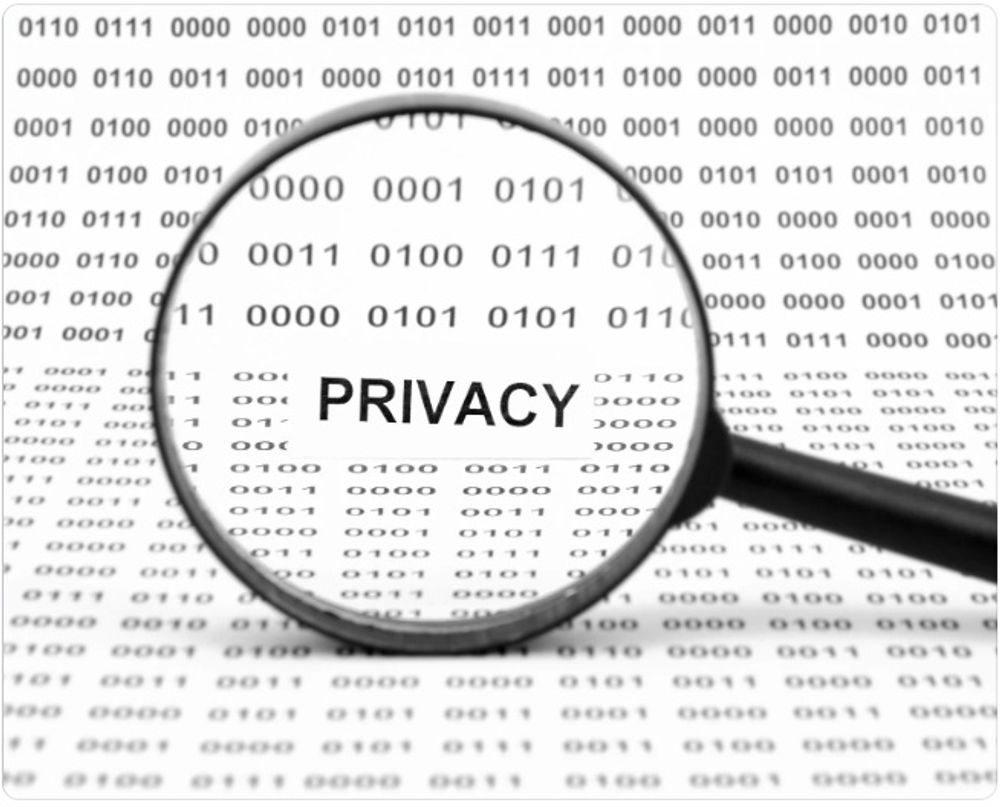
A federal judge has blocked the IRS from sharing taxpayer data with the Department of Homeland Security, offering a layer of protection for taxpayer privacy. This ruling affects how personal tax information can be used for immigration enforcement and highlights the importance of understanding your rights as a taxpayer. Learn what this decision means for individuals, immigrants, and small business owners in 2025.
CLICK HERE TO READ THE FULL ARTICLE »
-
Why Hiring a Tax Professional Can Save You Big in 2025

Free tax filing is helpful, but hiring a tax professional can save you more. Learn how to maximize deductions, avoid costly mistakes, and navigate new 2025 tax laws like the One Big Beautiful Bill Act. Discover tips for families, seniors, and workers earning tips or overtime, and see how expert guidance can put more money back in your pocket.
CLICK HERE TO READ THE FULL ARTICLE »


